Every now and then you hear a story about people coming home from a trip, often a cruise or resort having gained 20 pounds. And sometimes the anticipation of a trip triggers a different type of anxiety: How am I going to keep from putting on weight or otherwise compromising my health while on my trip?
This is especially important for those with underlying health issues, but also an issue for those who have been managing their weight, or blood pressure, or alcohol intake. The carefree nature of a trip encourages one to relax and not worry too much about these things.
But how can one reach the proper balance: enjoy a trip, but also not have that nagging anxiety that with each extra drink, each appetizer, they are putting on pounds? Or increasing blood pressure or eating too much sodium? How can I manage my health without being an utter killjoy?
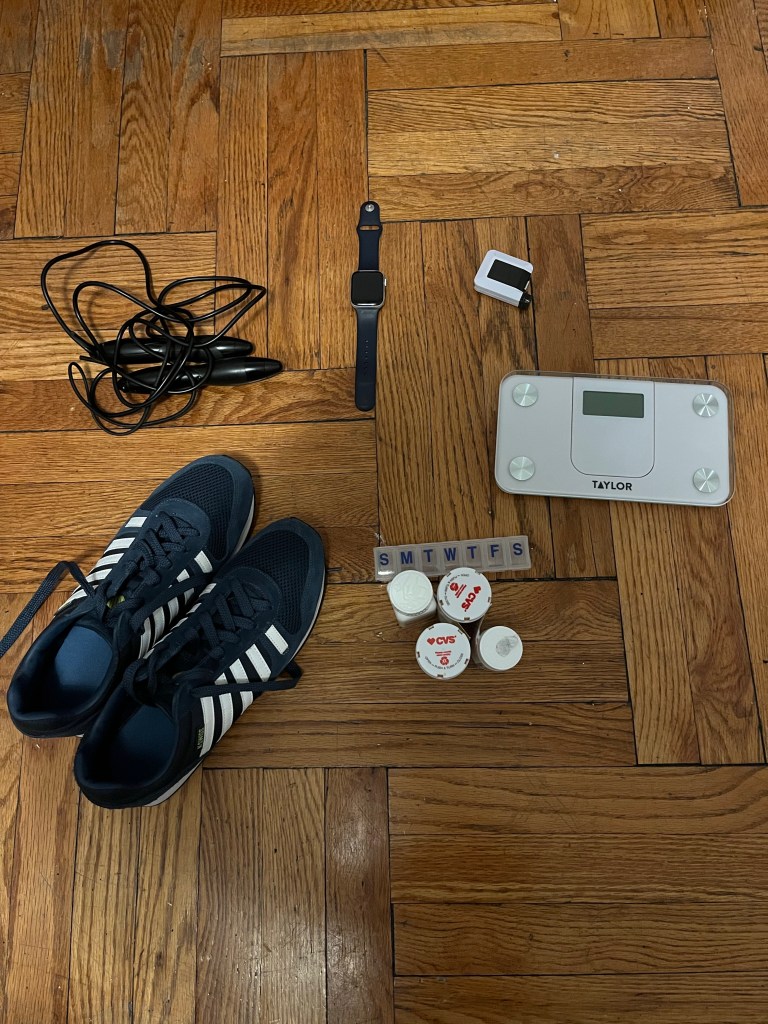
In the picture above I have six things I never fail to take on a trip; all geared towards keeping my health in check, both by monitoring and managing. At the conclusion of the trip there are no nasty surprises in the form of extra poundage, increased blood pressure and a hangover. As you manage your finances, you should manage your health.
At the bottom is a no brainer: Your meds. Whatever you are on, have enough of a supply to carry you throughout the duration of your trip. You should also have a few extra days worth; you never know what happens. Also keep your prescription information, including the prescribing doctor information handy: You might fill your prescription at a CVS in Rhode Island, but in an emergency, if you need to do it on the fly in Vienna, the information will make a challenging job easier.
Moving clockwise is your sneakers. Not necessarily just for walking (for that you should have good walking shoes), but also for exercise. While hotels and cruises often have well equipped fitness centers, some hotels only have a stinky little room in the basement with a couple of ellipticals and a treadmill, maybe an exercise mat and a yoga ball. Better than nothing, and will get the obligatory cardio workout in. But weather permitting, you can exercise outside, too: Perhaps going for a run, but if you prefer something else, you can always jump rope or swim laps.
Jump ropes are light, travel easy, and take up next to no space. A jump rope will give you a very decent cardio workout. All you need is a pair of sneakers, some outside space and the ground. A nearby park, or simply a spot where you will not be hampered by traffic (and you will not hamper traffic). The jump rope in the picture is a light plastic affair, with a nylon or PVC cord. It HAS a digital counter, which counts jumps and calories, but I prefer to use my Apple Watch. You can get one of these for about $10-15 from Amazon, and it will easily fit into a suitcase pocket or a backpack.
Next in the clockwise direction is an Apple Watch (of course if you have a Fitbit, or any other smart watch or monitoring device, this also applies). This will be integral in not only monitoring your cardio workout, but also your steps in general, so you get a ballpark figure of the energy you expend and thereby the calories burned. If your trip involves walking in any quantity, you might be surprised at how much exercise you get; in some cases enough to offset a little less attention to diet!
Moving clockwise again: A breathalyzer.
It’s really EASY to lose track of how much you drink, especially if you are enjoying yourself. And before you know it, you are messed up. Now if you are dead set on getting wasted, you’ll probably be successful, but a breathalyzer will help you monitor HOW MUCH you have had to drink, and if, perhaps, you have had enough. Nothing ruins a trip more than a hangover, and while a night of drunken debauchery might be fun at the time, cutting into your time the next day nursing a hangover is not!
More crucially, if you have to operate a motor vehicle, keeping your alcohol intake in check is EXTREMELY important. While in the USA, driving while impaired brings its own consequences, many nations have much stricter laws and much harsher consequences for the same thing. The breathalyzer will give you the information you need, but should you choose to ignore it, that’s on you!
Lastly in the rotation is a travel scale. That’s not for luggage. That’s for you! They’re not expensive ($30-50). They are about the size and weight of an iPad mini. They work the same as a full size scale you have at home. They’re not as comfortable because the surface area for your feet smaller, but they will give you an accurate reading of your weight. All you have to do is put it on a flat, hard surface, like the bathroom floor, step on it once to calibrate it, and you are all set. Repeat process at each place you visit. This will give you piece of mind and keep you from constantly worrying if you are putting on weight.
It’s all well and good to BRING these things on your trip, but if you don’t IMPLEMENT them, it’s nothing more than added weight and wishful thinking. So set up a structure and strategy where implementing it is part of the routine.
A: Take your meds at the same time every day. This is a “Well….DUH!” statement, but sometimes a trip can mess with your routine. Taking your meds the same time establishes structure for other things.
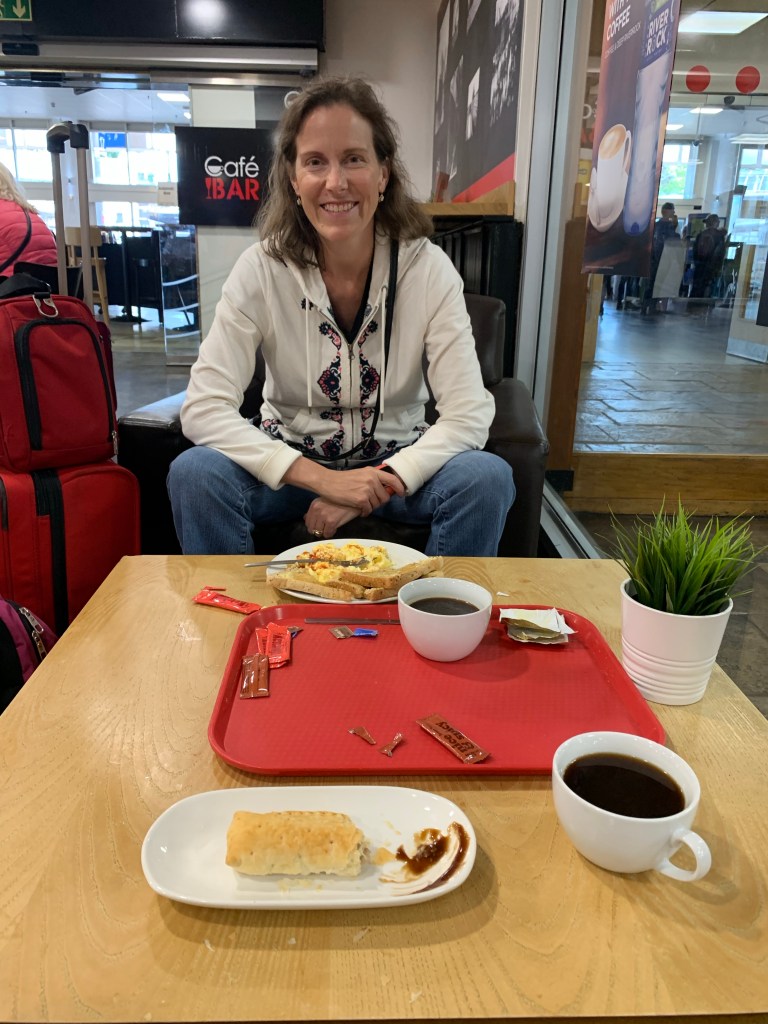
B: Unless it is special, occasional, or otherwise unique, eat a light breakfast. Obviously, if you MUST have a big breakfast, and that brings irreplaceable joy to your day, you’ll have to offset that in other ways, but all other factors equal, eat a breakfast that will give you enough energy to fuel your cardio but not so heavy you feel “full and gross”.
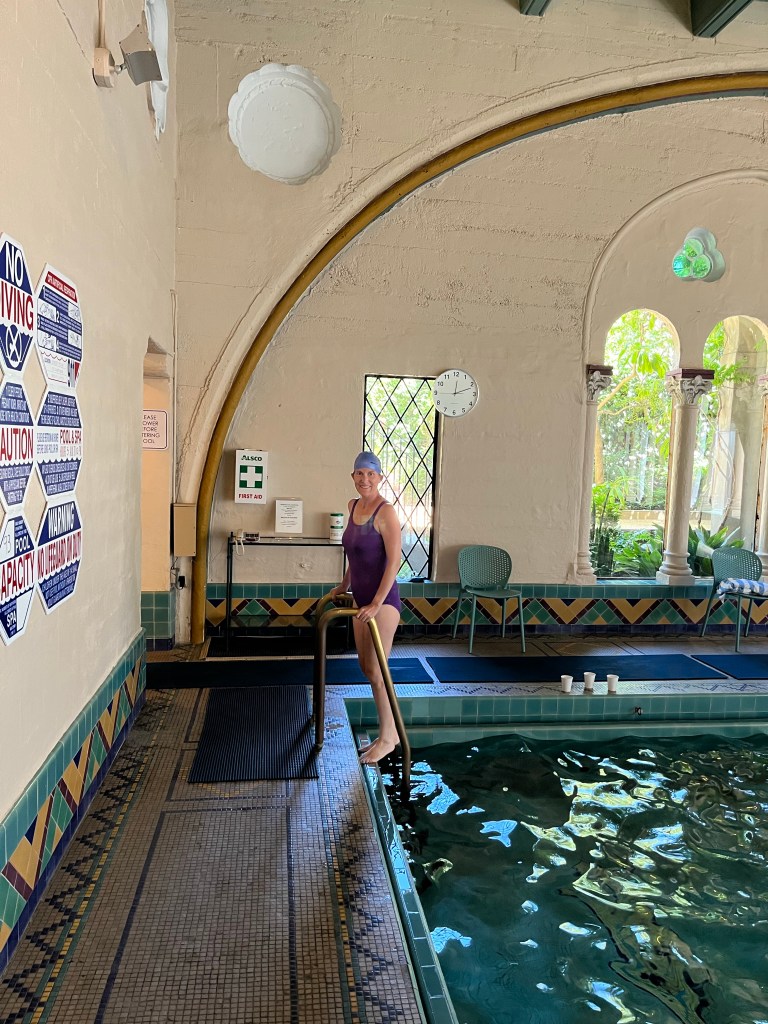
C: If you can, begin your day with a cardio workout after breakfast. Doesn’t have to take all morning. Just a half hour of cardio, be it jumping rope, some time on an available elliptical or treadmill, or a run or swim laps. Get your heart rate up over 120 beats a minute. Your Apple Watch or Fitbit can help you with that. I always set a 500 calorie goal, but you should set whatever caloric goal is right for you. For me, that is about 50 minutes of jumping rope continuously. That way, you start your day with a 500 calorie deficit (or whatever caloric goal you set) right off the top. You have the benefit of a cardio workout under your belt. This is also helpful, because often on a trip, we tend to eat saltier foods, and cardio exercise helps sweat out sodium.
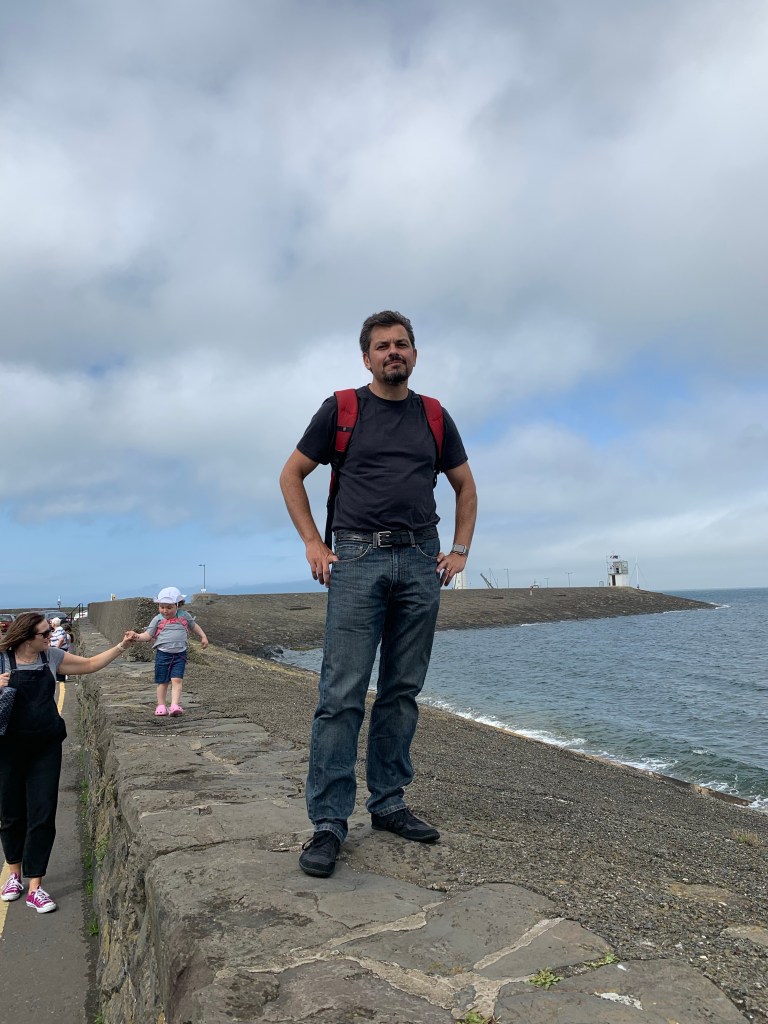
D: Walk when you can. North America is very car dependent, but that does not mean you HAVE to always use you car at all times. Many European cities are more pedestrian friendly. You’ll be amazed how much walking adds up, and how good for you it is. You’ll build the right appetite, have the right energy, and get to see things at your own pace. If it is something you can realistically walk to, you SHOULD walk to it.

E: Don’t feel pressured to eat when you are not hungry, and don’t feel pressured to clean your plate.
It is no secret that in many North American restaurants, the portions are outsized: way too much food to finish in a sitting. And often people are faced with the choice of finishing it all, or boxing it up (a practice that is almost exclusively American).
Nobody likes to waste food. We are hardwired to look askance at food waste.
However, never feel guilted into eating more than you genuinely feel like. Eat slowly. Let yourself fill up.
Practice eating with your non-dominant hand. This will slow you down, but it will also remind you that you are eating, and it will help you be mindful and appreciate each bite. Moreover, seeing that most of us are right handed, if you AWAYS have your fork in your left hand, it won’t “out” you as an American. Fork in left hand, always, is standard in Europe.
Cruises and resorts with unlimited food are places where it is easy to fall into the trap of eating even when full.
It might be hard to resist, but it will pay handsome dividends when, at the conclusion of the meal you don’t feel “full and gross” and you don’t have significant weight gain.
Moreover, too much food not only too many calories, it is often too much sodium!
This is not about self denial. This is about enjoying your food mindfully and not falling into the traps it is easy to fall into!
F: Stay hydrated. This, again, is a no brainer, but it is easy to forget to drink water while traveling. I know there is a trope of the American tourist never without his/her water bottle, and you don’t have to be so obvious about it, but drink water at every opportunity you can. It’s good for you, and helps you go into meals and alcoholic beverages (if you drink) with a clearer head. This might be a little trickier in places with questionable water, but in North America and Europe this is not an issue.
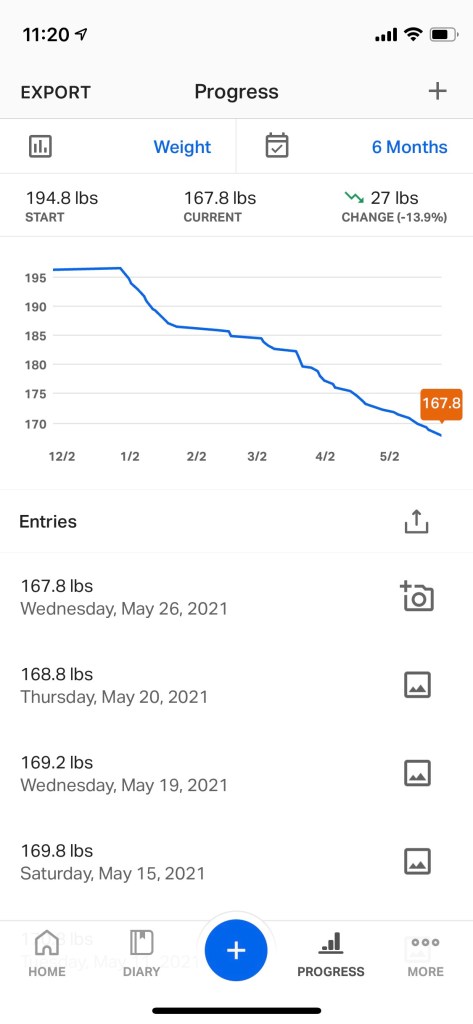
G: Weigh yourself daily. This is not only to keep on top of calories, weight gain and to not incur surprises. Consuming too much sodium will cause water retention and an increased weight. If you notice a rapid weight gain, it is likely sodium is the culprit, so perhaps lay off the saltier foods for awhile in favor or something with less.
H: Monitor your food, if you can. There are many apps (like MyFitnessPal) that enable you to keep a food diary complete with nutritional information. MyFitnessPal has a barcode scanner that works even internationally. Of course, sometimes you have to “guesstimate”, but at least you have some idea. Of course, don’t get so caught up in recording your food intake that you forget to enjoy your trip.

G: Monitor your alcohol intake. It’s up to you how much you want to drink, but know you are in an unfamiliar place and being impaired makes you vulnerable. And, again, if you have to operate a motor vehicle, this creates a whole other set of issues.
While enjoying ourselves it is easy to lose track. Perhaps we have an overinflated idea of our own sobriety. Or we exaggerate the amount of time since our last drink, or underestimate the potency of what we drank. When it comes to drinking, wishful thinking abounds! Using a breathalyzer discreetly every couple of drinks gives you objective information on where you stand, so you can make an informed decision of whether or not to have the next drink. You’ll also be able to head off a hangover. This is important if you have travel plans the next day!
H: Finally, remember that a good portion of travel is sitting on trains, planes, cars and other conveyances with little opportunity to exercise, or get fresh air. Remember the amount of time sitting sedentary and offset that at your earliest convenience.
Remember that although you are sedentary, sometimes that portion of travel can be exhausting, and getting enough sleep is critical. Don’t get so hectic and so caught up in your itinerary that it cuts into your sleep.
Other than that, stay healthy and enjoy your trip!



 Down the Rabbit hole with Rob
Leave a comment